WindEnergy Hamburg 2026 provided an opportunity for the global wind industry to take stock of the challenges and opportunities facing the sector as offshore wind projects move from development into large-scale delivery.
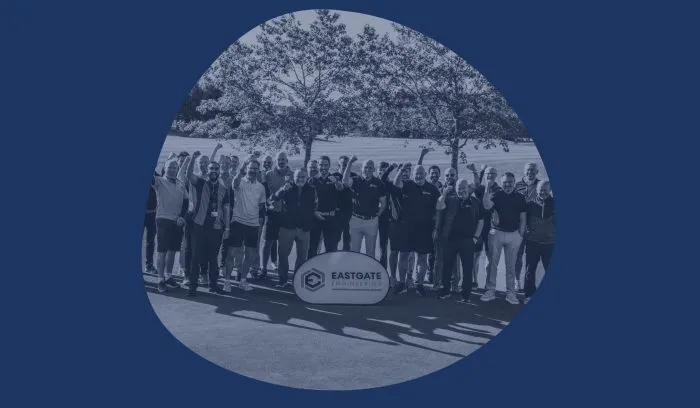
Eastgate Engineering was represented at the event by Mark Cruces and David Brennan, who joined NOF and Energi Coast on the Invest North East England and Tees Valley Pavilion. Throughout the week, the team met with developers, contractors and organisations working across offshore wind and the wider energy sector.
While future capacity and investment remained important themes, many of the conversations in Hamburg focused on the practical requirements of delivering projects. As the offshore wind market continues to mature, developers need a supply chain with the people, infrastructure and technical capability required to build, connect, commission and maintain increasingly complex assets.
For Eastgate Engineering, the event reinforced several important themes around the future of the UK offshore wind supply chain and the role specialist engineering contractors can play within it.
The scale of planned offshore wind development across the UK and Europe presents significant opportunities for the engineering and energy supply chain. However, achieving capacity targets depends on much more than the development and installation of turbines.
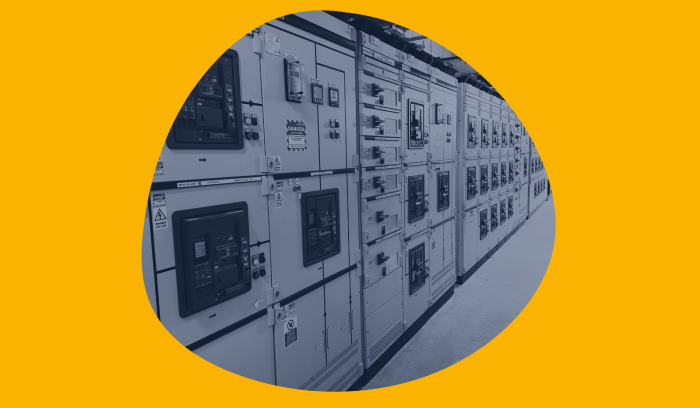
Every offshore wind project relies on an extensive network of ports, manufacturers, fabricators, engineering companies, specialist contractors and skilled workers. Electrical infrastructure is also a fundamental part of this picture, encompassing substations, grid connections, port facilities, manufacturing sites and the wider infrastructure required to support offshore developments.
One of the clearest messages from WindEnergy Hamburg was the increasing focus on whether supply chains have the capacity to deliver this work at the pace required.
As Mark Cruces noted following the event: “There is significant opportunity in offshore wind, but the conversation is increasingly about delivery. Developers need confidence that the supply chain has the experience, resources and people to support projects safely and reliably as activity increases.”
For contractors, technical capability is only one part of that requirement. Clients also need suppliers that can mobilise effectively, integrate into larger project teams and maintain consistent standards of safety, quality and programme delivery.
Supply chain capacity was a recurring theme throughout WindEnergy Hamburg. As projects become larger and more complex, developers and principal contractors require specialist suppliers that can provide proven capability without introducing additional delivery risk.
The UK already has a substantial engineering and industrial base that can support this growth. Businesses working across energy, infrastructure, construction, manufacturing and heavy industry have experience operating in environments where safety, quality and programme performance are critical.
The opportunity is to connect more of that existing capability with offshore wind.
For Eastgate Engineering, this is particularly relevant to electrical engineering and energy infrastructure. The company’s experience supporting complex projects provides a strong foundation for work across the wider infrastructure associated with offshore wind development.
The requirement is not simply for additional contractors. Projects need businesses that understand complex working environments and can provide experienced teams capable of delivering safely and effectively.
Eastgate’s presence on the Invest North East England and Tees Valley Pavilion highlighted the range of offshore wind and energy capabilities already established across the region. Presenting those capabilities collectively was therefore an important part of the week in Hamburg.
As Mark explained: “The North East has a considerable amount of relevant capability already in place. The opportunity is to connect those businesses effectively and make it straightforward for developers and Tier 1 contractors to access the expertise they need.”
For Eastgate, working as part of this wider ecosystem creates opportunities to combine its electrical engineering expertise with the capabilities of ports, manufacturers, fabricators and other specialist contractors.
Collaboration is frequently discussed within offshore wind, but its value ultimately depends on what it delivers.
For supply chain businesses, effective collaboration can provide access to complementary expertise, create stronger propositions for clients and help companies identify project requirements earlier. For developers and principal contractors, a connected supply chain can make it easier to identify and mobilise the capabilities required to deliver projects.
WindEnergy Hamburg provided Eastgate with an opportunity to develop those relationships further. The company strengthened relationships with existing clients and was introduced to prospective clients where demand for electrical engineering services is increasing.
These discussions also highlighted the importance of early engagement between clients and the supply chain. Greater visibility of future project requirements allows contractors to plan resources, invest in skills and ensure the appropriate capability is available when projects reach delivery.
No individual supplier can provide every service required by a major offshore wind development. Effective relationships between developers, ports, Tier 1 contractors, manufacturers and specialist suppliers will therefore remain an important part of building a resilient UK offshore wind supply chain.
Growth in offshore wind also presents a substantial opportunity for employment and skills development across the UK and Ireland.
Large-scale energy infrastructure requires experienced engineers, technicians, supervisors and project professionals. At the same time, sustained investment creates opportunities for apprenticeships and the development of new entrants into the industry.
For the offshore wind sector to grow sustainably, investment in physical infrastructure needs to be matched by investment in people.
There is also significant transferable expertise within the UK’s existing industrial workforce. Skills developed in conventional energy, manufacturing, construction and heavy industry can support offshore wind, particularly where businesses invest in the training and sector-specific competencies required for new project environments.
For Eastgate, developing local talent alongside experienced engineering teams is an important part of building the long-term capability required to support energy infrastructure projects.
Mark added: “The employment opportunity should be considered alongside the infrastructure opportunity. If the sector develops the right skills now, offshore wind can support long-term engineering careers and apprenticeships in the communities where these projects are being delivered.”
WindEnergy Hamburg 2026 was a productive event for Eastgate Engineering. Alongside strengthening existing relationships, the team established new partnerships and developed conversations with prospective clients whose requirements align with Eastgate’s electrical engineering capabilities.
The scale of offshore wind development presents considerable potential for UK and Irish engineering businesses, but capturing that opportunity will depend on the ability of the supply chain to deliver consistently. Developers require experienced contractors, access to skilled people, suitable infrastructure and suppliers capable of operating safely within demanding project programmes.
The discussions in Hamburg reinforced that while the offshore wind market is changing quickly, the fundamentals of successful project delivery remain familiar: capable people, reliable suppliers, appropriate infrastructure and effective working relationships.
For Eastgate Engineering, the focus remains on providing the electrical engineering capability required to support complex energy and infrastructure projects while continuing to develop the partnerships and skills needed to support the next phase of offshore wind development.